Ganizo Magazine · Consumers
Before You Hand Over a Gate Key, Verify the Record
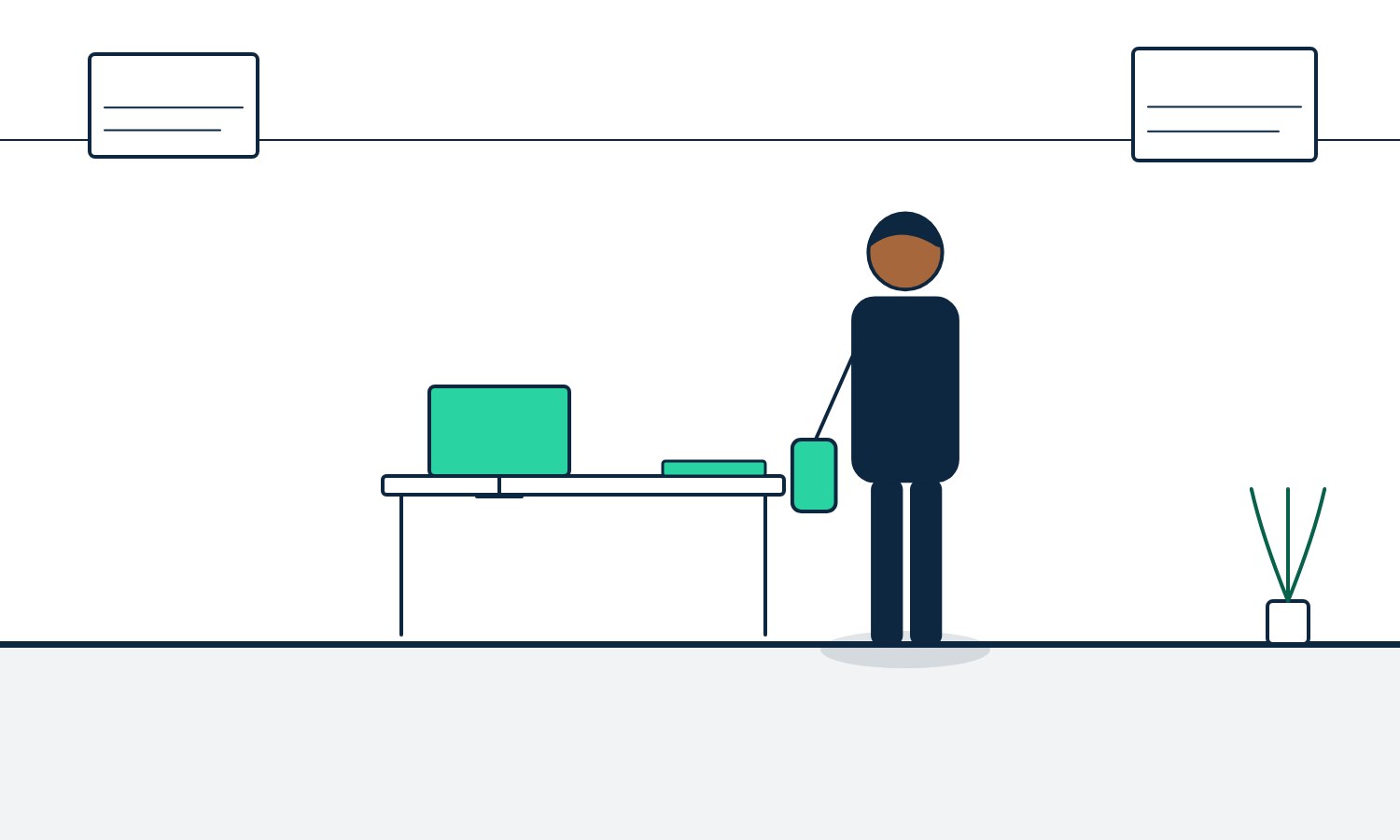
Most Zambian households still hire the woman who cleans their home the way they always have: a name passed along by a relative, a number lifted from a church WhatsApp group, a face someone half-recognises from down the road. It works until it does not, and when it fails it fails in the two places that matter most - money and trust. The question worth answering before anyone is handed a gate key is plain: who is actually coming into your home, and how do you know she is who she says she is?
The stakes are not abstract. In April 2026 the Human Rights Commission reviewed a batch of complaints and found domestic workers among the most exposed people in the labour force. Its chairperson, Pamela Sambo, said the cases revealed "a clear and concerning pattern of human rights violations and abuses that requires urgent national attention" , and she singled out pay: despite laws that set a floor, "many employers continue to pay wages far below the legally established thresholds". That floor is not high. Zambia's minimum wage for domestic workers is K1,300 a month - K1,100 in basic pay plus a K200 transport allowance - under the conditions-of-employment order that has governed the sector since domestic work was first brought inside the law. When even that is routinely undercut, the relationship between household and worker is off-balance before the first morning's work.
Continue Reading On Ganizo Magazine
The full story is on Ganizo Magazine, the Regional Business Magazine for Zambia and Malawi.