Ganizo Magazine · Lifestyle
Six Steps to Build an Event Cleaning Crew That Answers to a Run Sheet
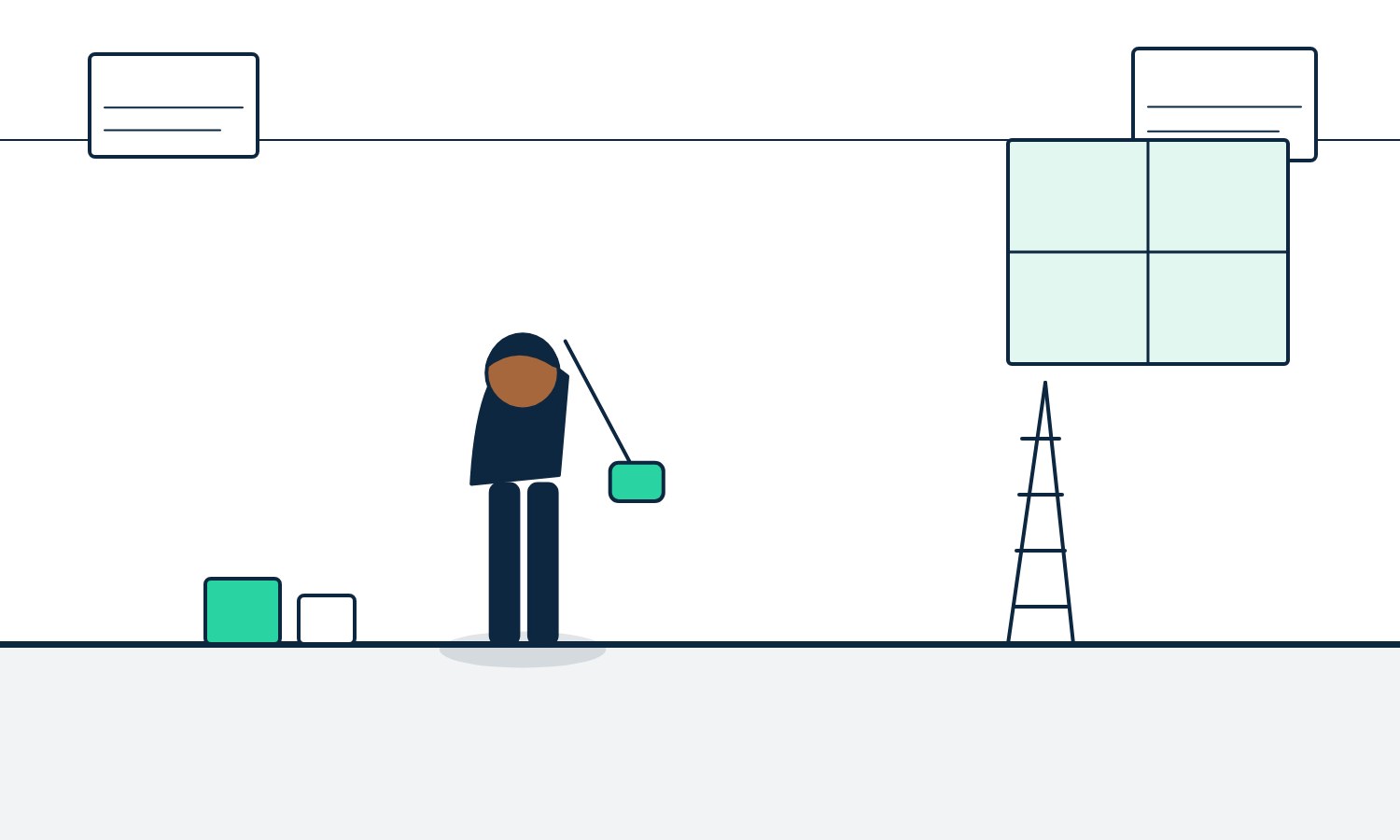
An event cleaning crew is not a pile of people with mops; it is a small operation timed to somebody else's programme. Get the headcount right and the timing wrong and you still fail, because the job is not to clean a venue once but to keep it presentable through the exact hours when hundreds of delegates are forming an opinion of it. As Zambia lines up continental conferences in Livingstone in 2026 and the Event Professionals Association of Zambia - whose founding vice chairperson Mulemwa Moongwa has helped push the case for consistent standards - asks the trade to be judged on professionalism, building the crew properly is the difference between a venue that reads as world-class and one that reads as improvised.
The steps below assume a real event with a published agenda, because the crew has to be built around that agenda rather than around a convenient number of bodies. 1. Read the run sheet before you count the crew Start with the event's timeline, not your staff list. When does the room open, when are the breaks, when is lunch served and cleared, when does the venue have to be handed back? Every cleaning task hangs off one of those moments. A crew sized to the run sheet might be four people who move at the right times; a crew sized to a guess is often eight people standing idle at the wrong ones. The run sheet tells you how many hands you need and, more importantly, when you need them. 2. Divide the venue into zones with a standard each Split the site into clear zones - arrivals and registration, the main hall, breakout rooms, the catering area, washrooms, and back of house - and write down what "clean" means for each. Washrooms need checking on a timed cycle; the catering zone needs a fast turnaround between sessions; the plenary floor needs discreet passes that do not interrupt the programme. Zones stop the crew from crowding one visible area while a washroom quietly fails, which is the failure delegates remember. 3. Name one crew lead who owns the whole picture Accountability needs a name. One crew lead should hold the full plan, brief the team, watch the clock against the agenda, and sign off each zone as it is done. This is the person the event manager talks to, so they never have to chase individual cleaners. Without a lead, a crew defaults to whoever shouts; with one, the crew has a single line of command and the organiser has a single point of contact. 4. Assign people to zones, not just to shifts Give each crew member a zone and a task list, so responsibility is specific. When the washrooms are visibly one person's job for the day, they get done to a standard, because there is no ambiguity about whose they were. Rotate people through the harder zones if the day is long, but keep the ownership explicit at every hour. A cleaner who knows exactly what she is answerable for works better than three who share a vague duty and assume someone else has it. Write the zone assignments down and hand each person their list, so that when the mid-session rush comes nobody is deciding on the spot whose job the spillage in the catering line is. 5. Kit and consumables staged before the doors open The crew cannot clean what it cannot reach. Stage supplies - the right products for each surface, refuse bags, washroom consumables, protective gloves - in or near each zone before load-in, and check stock levels against the length of the day. Running out of hand soap during the mid-morning break in front of two thousand delegates is not a small failure; it is the story people tell afterwards. Budget the consumables in kwacha up front rather than sending someone to buy more mid-event. 6. Build in the handover and the sign-off The job ends with a documented reset. After the delegates leave, the crew returns the venue to the state the contract requires, and the lead walks each zone with the venue or event manager to sign it off. This protects any deposit, settles disputes before they start, and gives the crew a clean record they can show the next client. An event that ends with a handshake over a checked venue is one you get hired for again, and a signed-off record is worth more to a growing crew than any amount of word-of-mouth praise.
Continue Reading On Ganizo Magazine
The full story is on Ganizo Magazine, the Regional Business Magazine for Zambia and Malawi.